Start with a campaign idea
Agree the offer, audience, and central message before making formats. A shared idea gives each asset direction while leaving room for different levels of detail and expression.
CREATIVE FOR BUSINESS GROWTHINDONESIA
An ad earns attention. A page explains the offer. A sales deck carries the conversation further. SAB brings the message and design together so your campaign materials feel connected and each has a clear job to do.
By SAB · Jakarta
Connecting marketing and sales since 2017.
 SELECTED SAB WORK
Energy · B2B
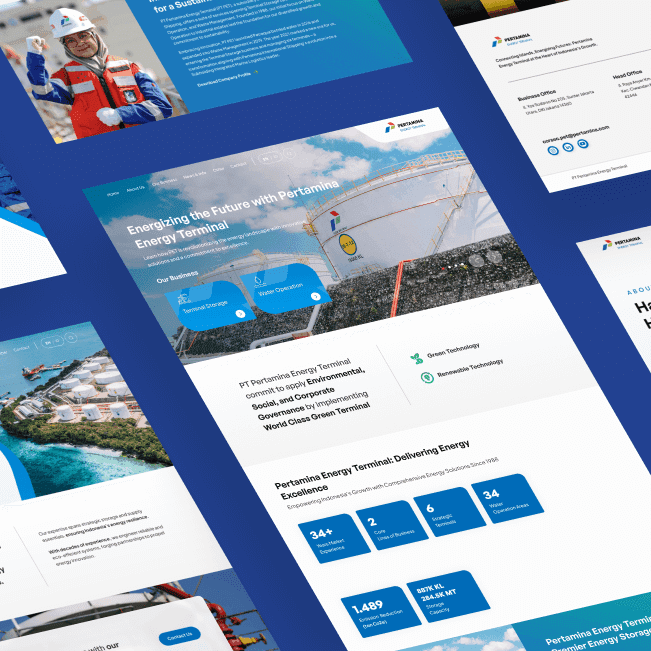
SAB’s work for Pertamina Energy Terminal connected the website and brand message with cold email, LinkedIn, SEM, and supporting content. Brochures and a company profile gave sales additional ways to explain the offer. It is a useful picture of B2B creative in practice: materials with different levels of detail, built around a consistent business story.
Explore SAB’s workExplore the project in our company profile, then talk to us about your own brief.
WHAT YOUR BUSINESS NEEDS
The ad promises one thing, the page talks about another, and the sales deck introduces a third version. Each piece may look polished, but the buyer has to join the dots. We help shape the campaign idea, decide what each format needs to say, and keep the story clear as it moves from first impression to sales discussion.
Agree the offer, audience, and central message before making formats. A shared idea gives each asset direction while leaving room for different levels of detail and expression.
Think about how the material will be seen: on a phone, in a presentation, or as a document read later. Shape the hierarchy and content to suit that moment.
Build profiles, brochures, and presentations around the questions buyers bring to a discussion. Keep service details and project information current so the team can confidently share the right version.
HOW WE WORK
We work with your team to agree on priorities, deliverables, and how to measure progress.
We identify the assets, readers, and moments of use, separating first-contact creative from the information people need when they begin evaluating the business.
We define the campaign idea, essential facts, and supporting evidence so copy and design develop from the same offer and clear boundaries.
We write and design each format for its role, checking how the advertisement, destination page, and sales materials explain the offer together.
We check readability, details, links, and final formats, then agree how the team finds and updates the materials when the offer changes.
BEFORE WE TALK
It includes materials that explain and support an offer, such as a company profile, brochure, presentation, or service summary. Choose the format from how buyers evaluate your business. A useful piece answers a particular question and stays consistent with the website and campaign around it.
The core facts and idea should match, while length and emphasis can change. An advertisement has limited space; a brochure can add context. Good adaptation keeps the meaning clear and gives each reader the information they need at that point in the conversation.
Include the audience, moment of use, main message, evidence, format, and desired next action. Add brand references and details that must appear. Identify who approves the facts and final direction so the creative team can resolve questions without waiting for conflicting instructions.
Check whether the main message is visible, the text is readable at the real viewing size, and the next step is understandable. Confirm that the imagery supports the offer and the facts are accurate. Agree these criteria in the brief before reviewing visual options.
TELL US ABOUT YOUR BUSINESS
Start with the role of the materials, then shape the message and visual direction.